NHL Morning Skate Explained: What It Says About the Starting Goalie
Analysis
What an NHL morning skate shows about the starter, and why the hint stays expected until a sourced confirmation.
Last updated
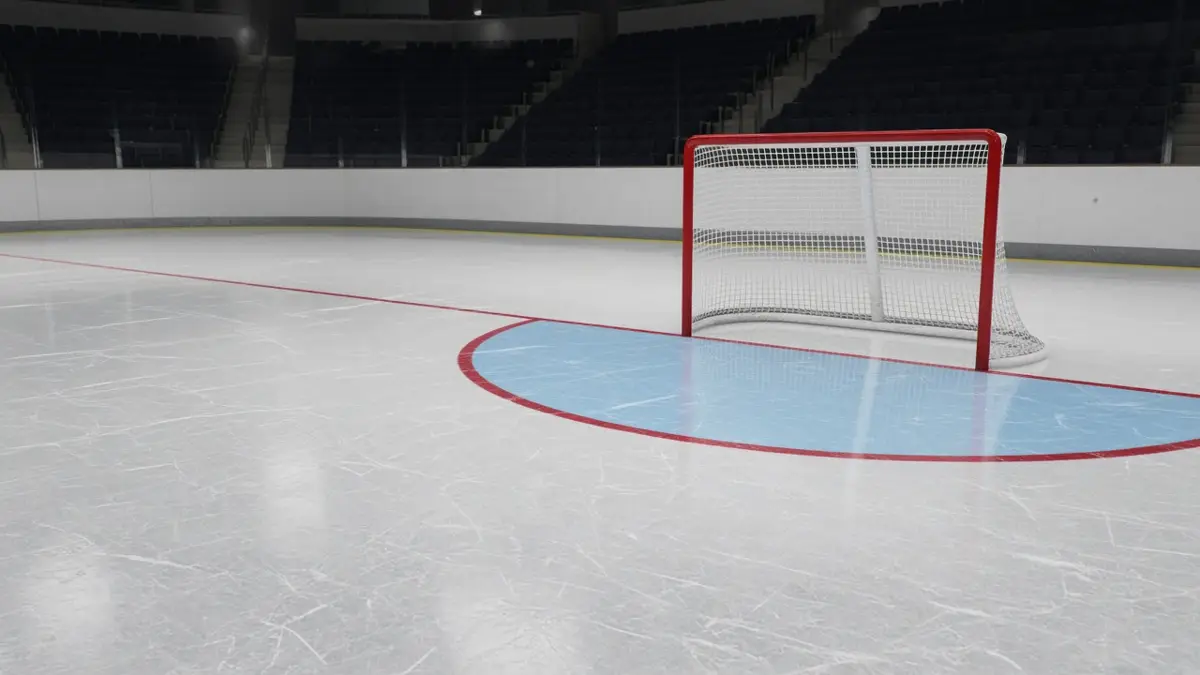
On a game day, many NHL teams hold a short, optional practice in the late morning, usually called the morning skate. It is a light session, not a full practice, and some teams skip it, especially on the second night of a back-to-back or after travel.
For anyone tracking goalies, it is the first useful look of the day.
What reporters watch for
The hint most people quote is which goalie leaves the ice first. By long-standing habit on many teams, the projected starter heads off early while the backup stays out for extra work. Beat reporters at the rink post that observation, and coaches often confirm the starter when they speak to media afterwards.
Neither is guaranteed. Habits differ by team and by goalie, and a plan can change after the skate because of illness, injury or a coach's call.
How we label it
On our NHL starting goalie board, a morning-skate observation makes a goalie expected. A coach or team saying he starts makes him confirmed. Our confirmation explainer sets out the labels in full.
What happens after the skate
Both goalies still dress. Rule 5.3 of the 2026-27 NHL rulebook allows one goalkeeper on the ice at a time, and it requires a substitute goalkeeper on the bench, or on a chair immediately beside the bench, fully equipped and ready to play.
The lineup list comes later. Rule 5.1 says the visiting club's manager or coach submits the eligible players in the NHL Game Line-up Management app within five minutes of the end of warm-up, 20 minutes before face-off. If the app will not connect, the same person hands the paper Club Playing Roster form to the NHL representative in the dressing room, in that same window. After the game starts, that list does not change.
Rule 7.1 is the starting lineup itself. The visiting club names it with that submission. The home club names its starting lineup after it has been told the visitor's. A morning-skate habit is not that submission. Our confirmation explainer is where the three labels are set out in full.
One Saturday, two different labels
On Oct. 31, 2026, NHL.com's projected lineups listed Leevi Meriläinen first for Vancouver against Toronto. The Oct. 31 board marks him expected, because a projection is not an announcement. The same slate's Oilers start is confirmed: the box-score feed for game 2026020220, opened Nov. 21, 2026, lists T. Jarry at 18 saves on 18 shots in a 4-0 win, and I. Sorokin at 21 saves on 24 shots. An earlier board note had Sorokin at 20 saves on 23 shots. Confirmed starts from that night whose source is a league or club page are in the starting goalie history file. Meriläinen's expected line is on the board and not in the file.
A later morning-skate read, still short of a team announcement when it was published, is the Nov. 19 Jets report.
Checked Nov. 21, 2026. Rule 5.1, Rule 5.3 and Rule 7.1 were re-read in the 2026-27 PDF, and the Oct. 31 box-score feed was opened the same day. Nothing here is betting advice.